The design concept
A standardized, amenity-rich community that a working renter can afford, and that can be built again and again.
Lower cost, higher quality, built for the renter in the middle
Most new apartments are built one of two ways: luxury, to get the highest rents, or subsidized, to serve the lowest incomes. The renter in the middle gets what is left over. This concept is designed for that renter: quality units, generous shared amenities, and a price that works without subsidies.
It is a live/stay/work community. Apartments for residents, furnished suites for extended stays, coworking and private offices, and micro-unit suites for travelers on a budget, all sharing one set of amenities and one operating model.
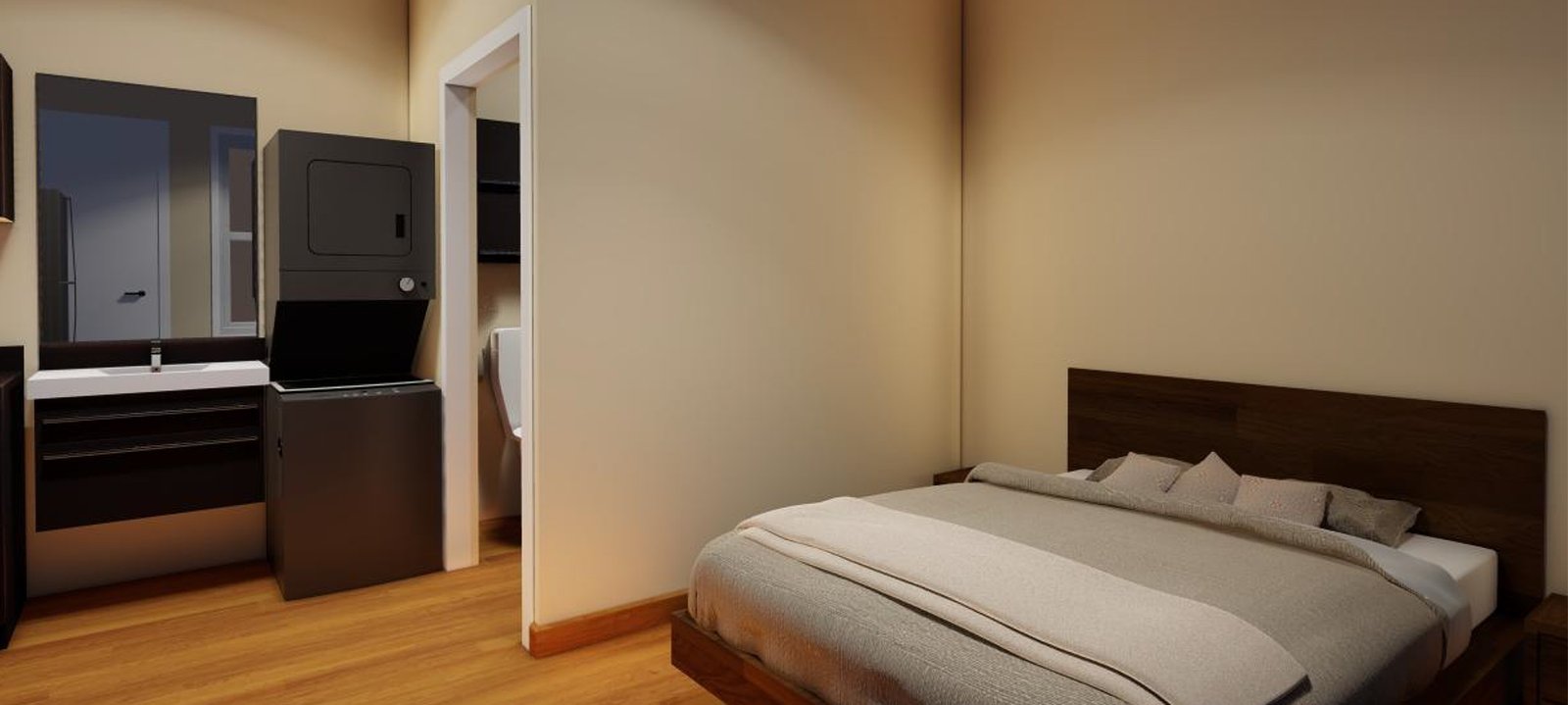
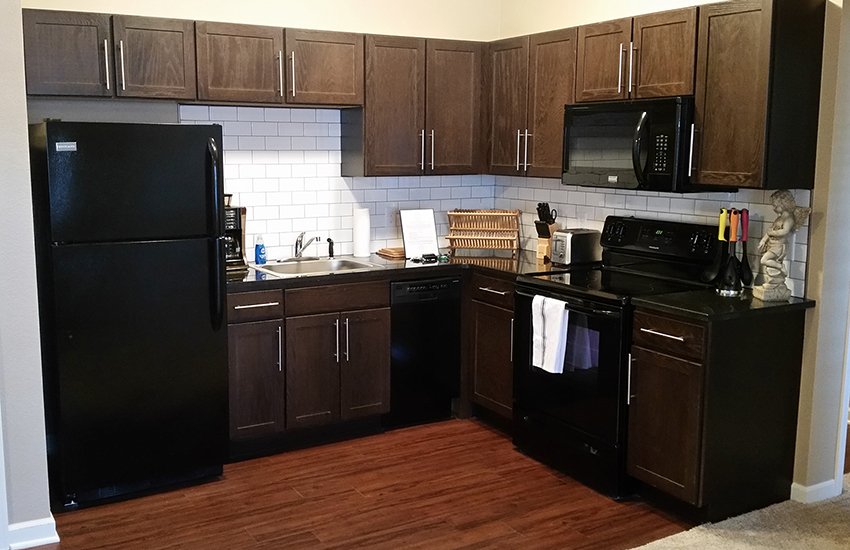
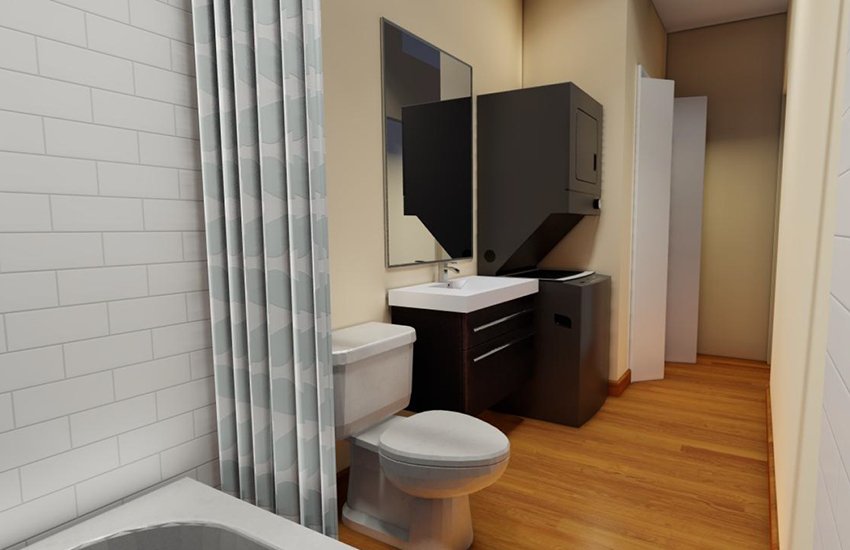
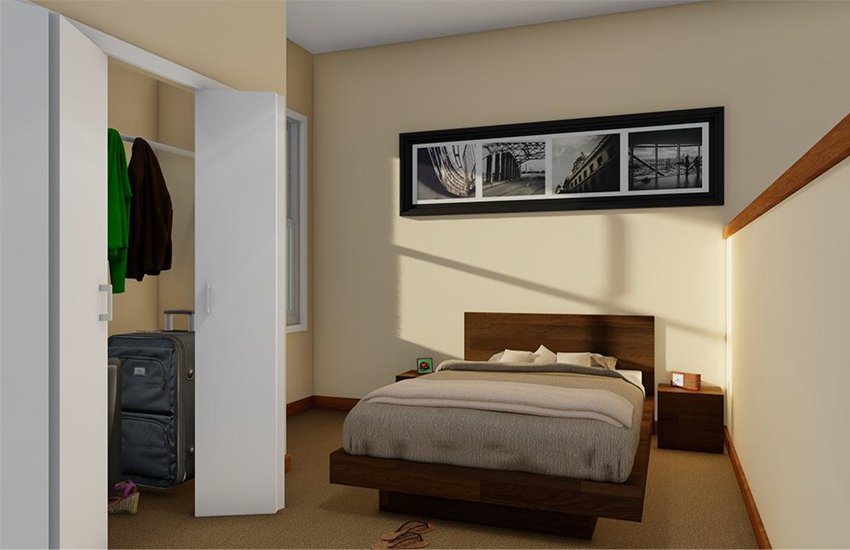
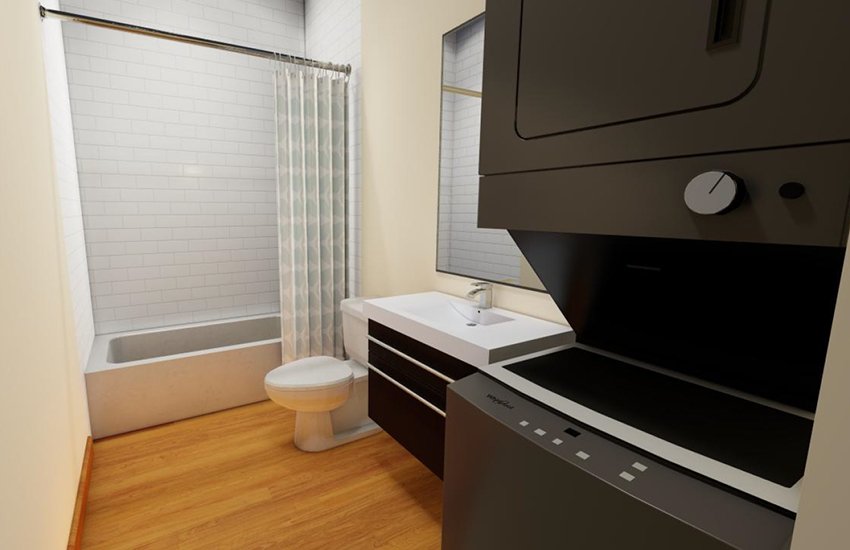
Apartment suites
Every unit is designed once, proven, and repeated. That is what keeps quality high and cost low.
Community amenities
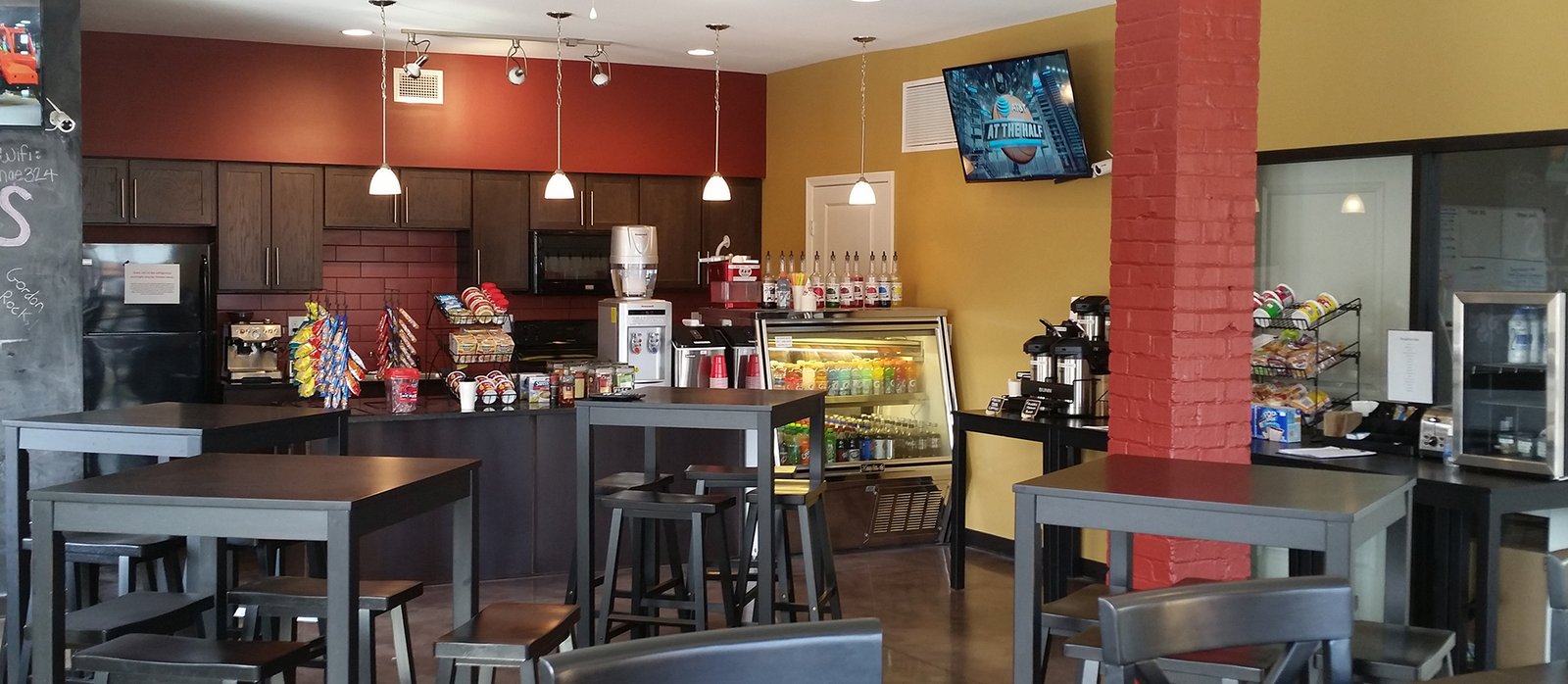
Shared spaces are what make a modest apartment feel large. Residents subscribe to the amenities they use and skip the ones they don't.
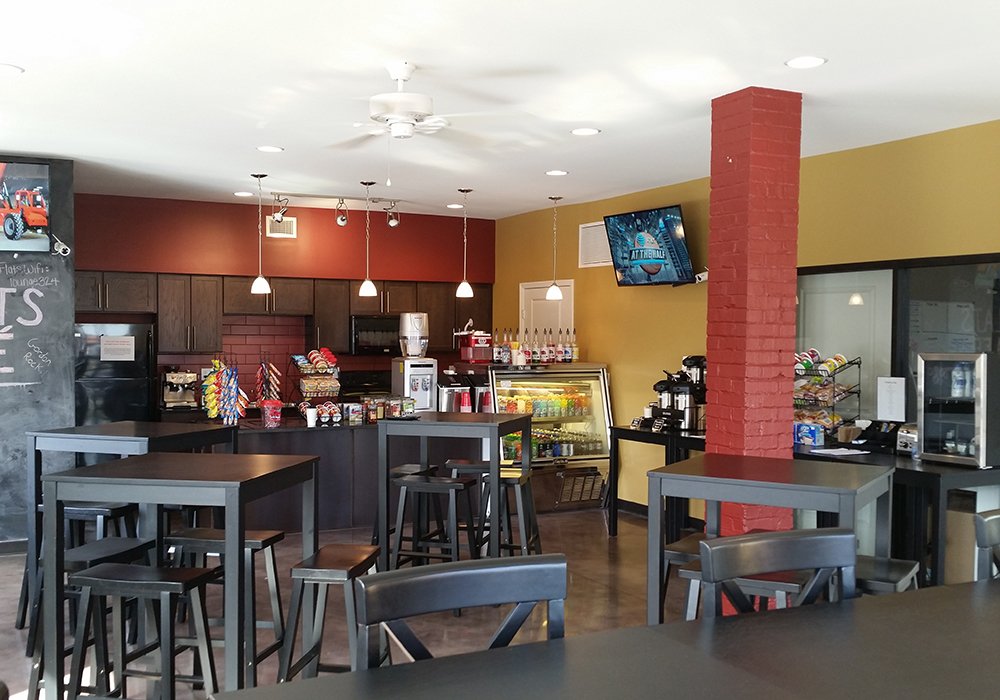
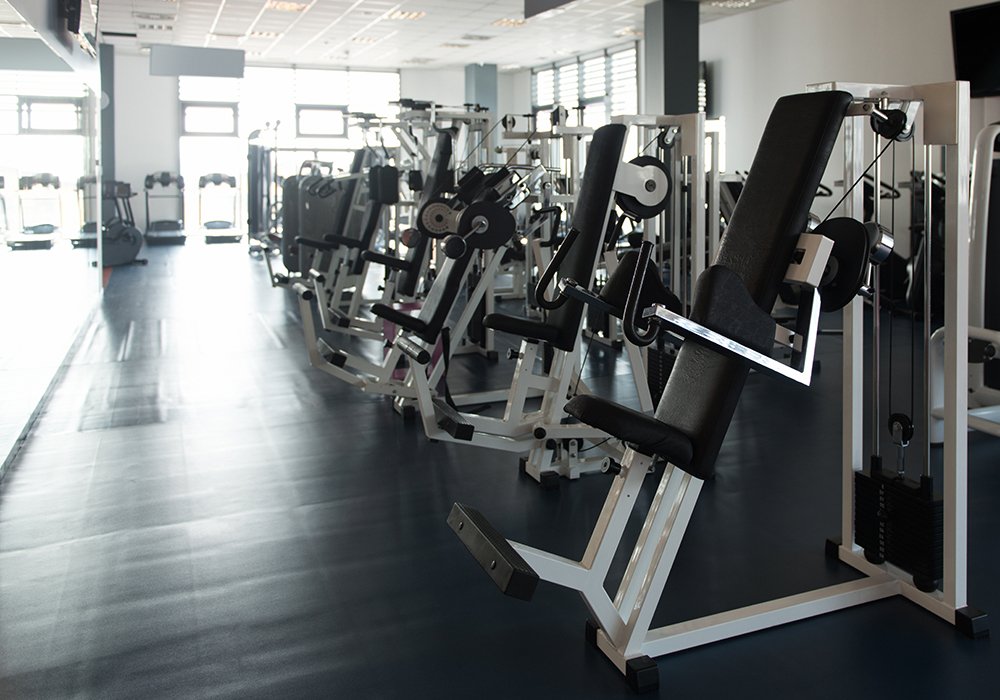
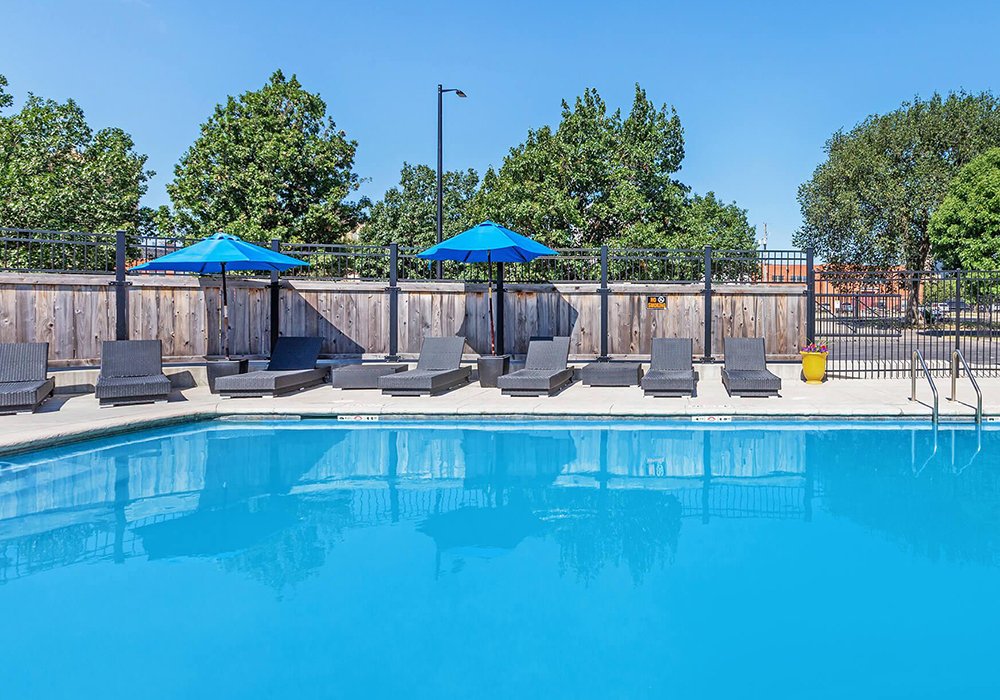


Pay a low base rent. Subscribe to what you use.
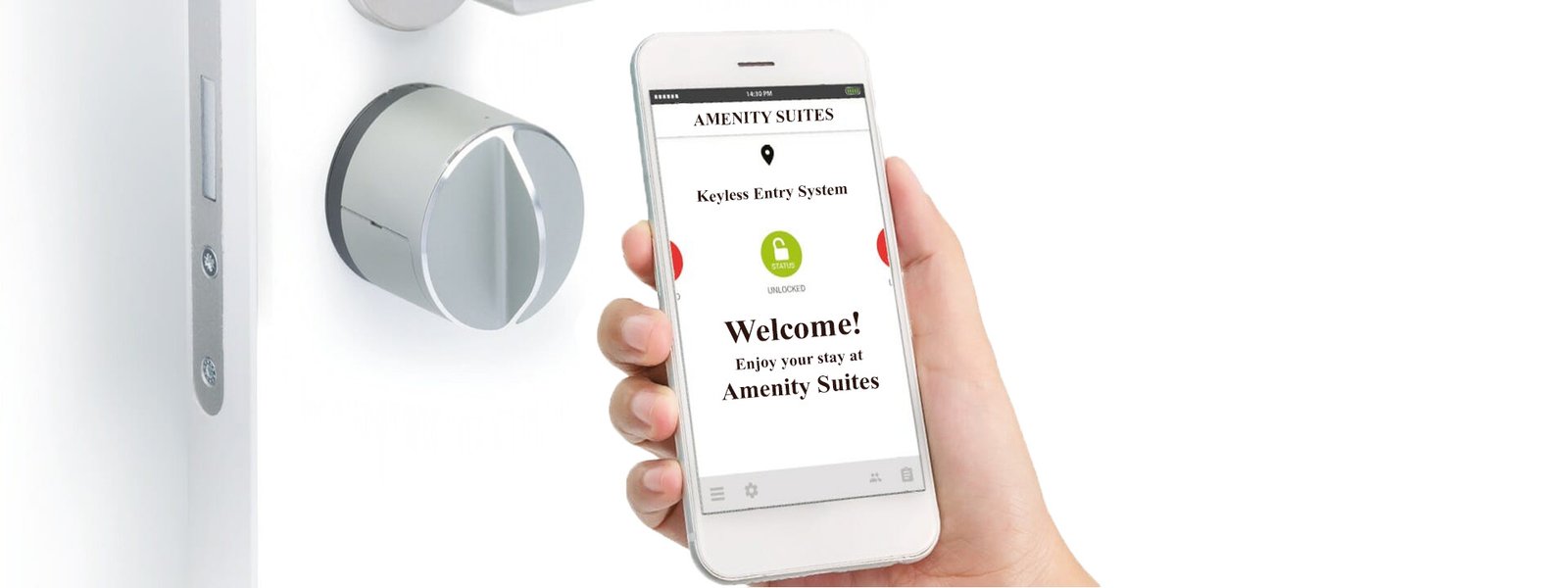
In a conventional apartment, every resident pays for every amenity through rent, whether they use it or not. Here, rent covers the home. Amenities are subscriptions and on-demand services managed from a mobile app, so a resident who never uses the pool never pays for it.
The same app handles self check-in, keyless entry, and ordering for residents and guests alike.
Live, stay, and work on one property
Live
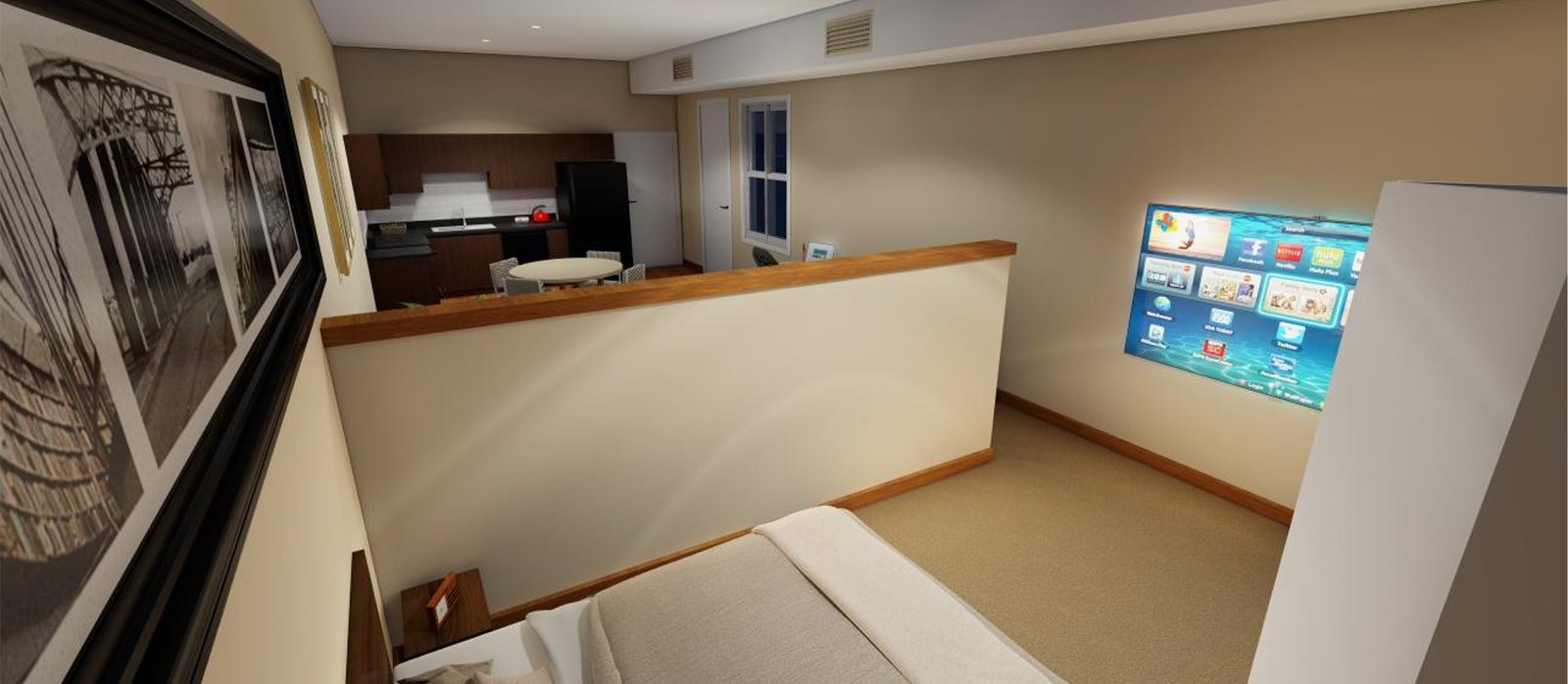
Apartment suites for residents, with full kitchens, large bedrooms, and in-unit laundry, at a base rent that leaves room in the budget.
Stay
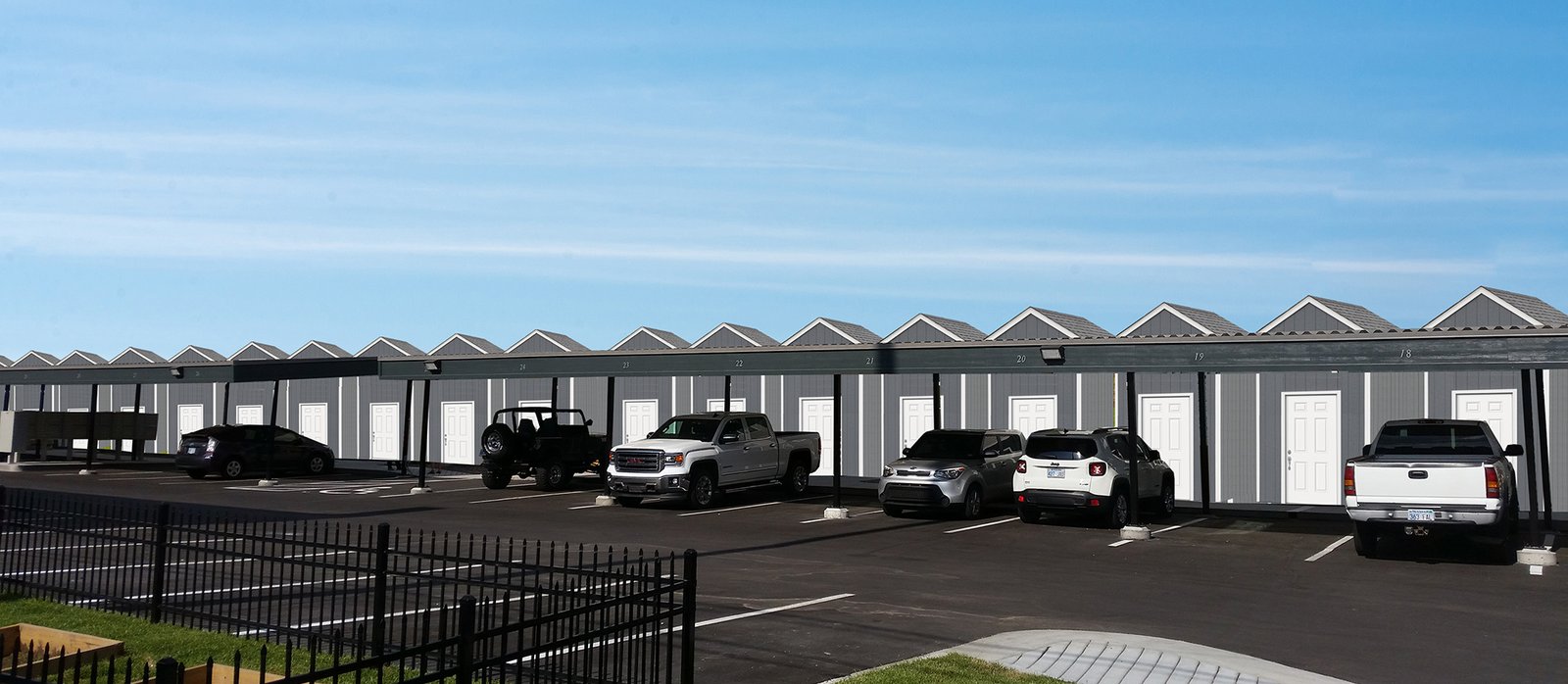
Furnished suites for extended stays and micro-unit suites for travelers on a budget, with self check-in, keyless entry, and the same community amenities as residents.
Work
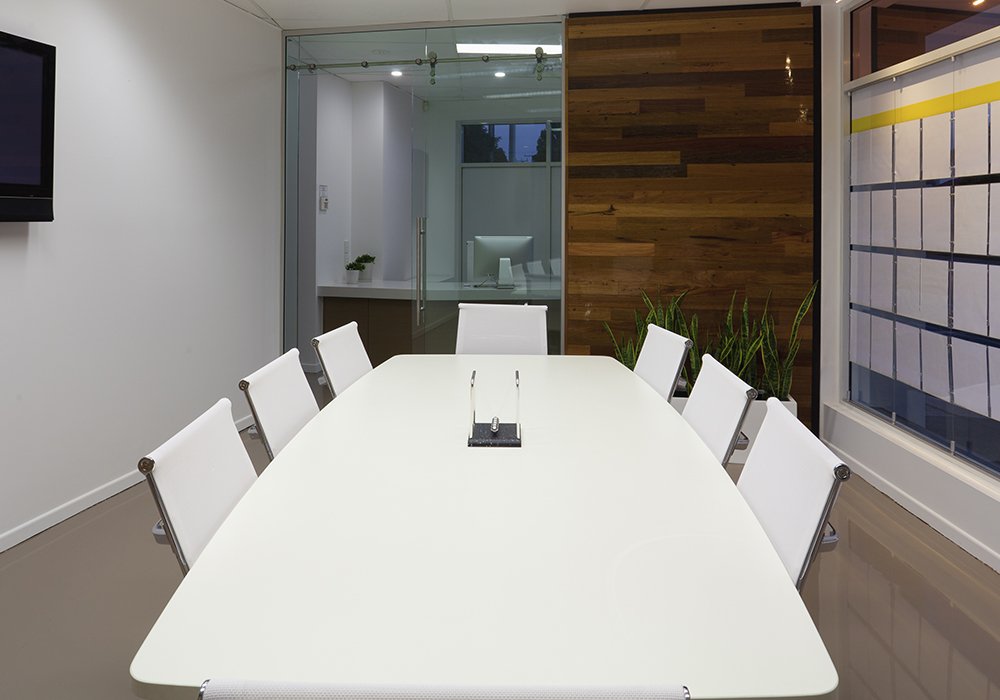
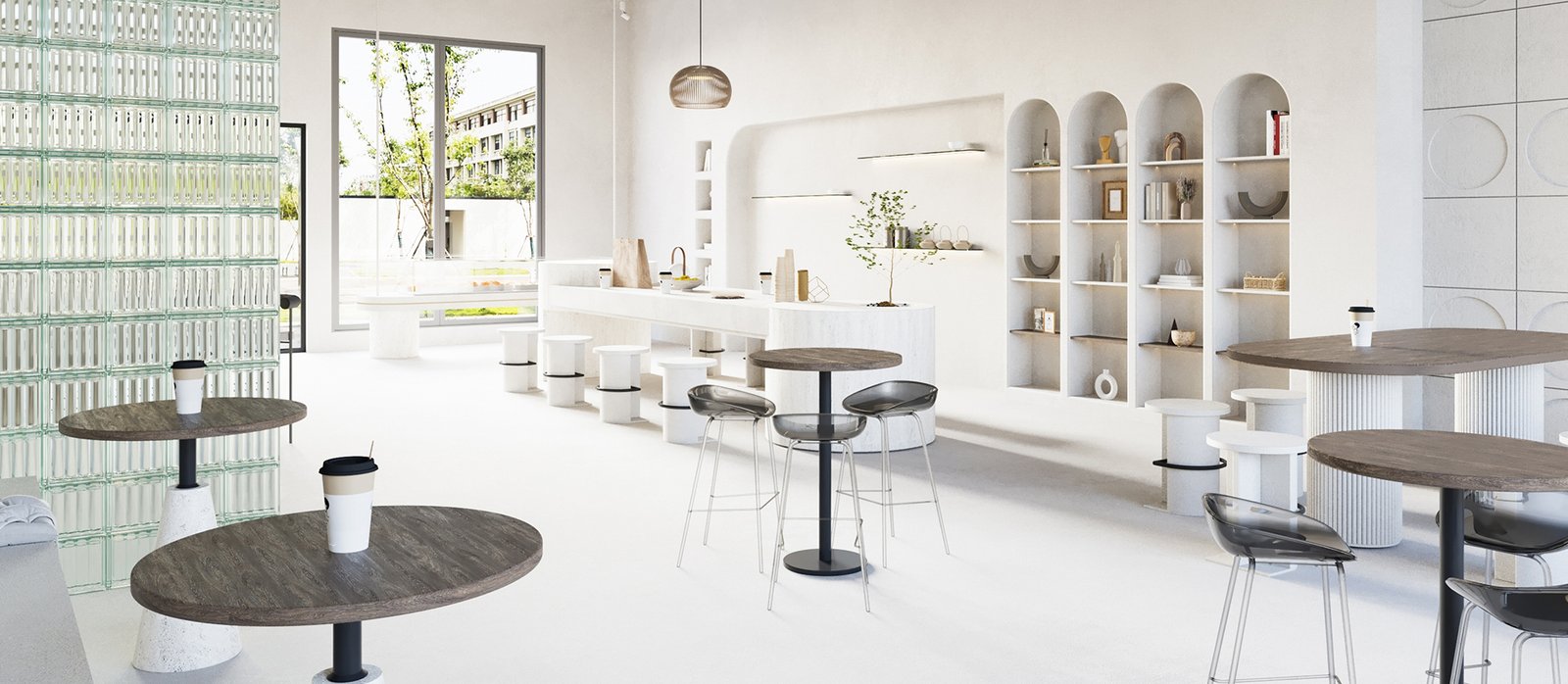
Coworking space and private offices open 24 hours, with conference rooms, a kitchen and break area, and a print center.
Designed once. Built many times.
A single proven design, adapted to each site, is the most powerful cost lever in housing. Design hours drop, plan review moves faster because reviewers see a building that has already been approved elsewhere, and every completed project feeds its actual costs back into the next one.
That is the design concept. It is also what makes the automation possible.